


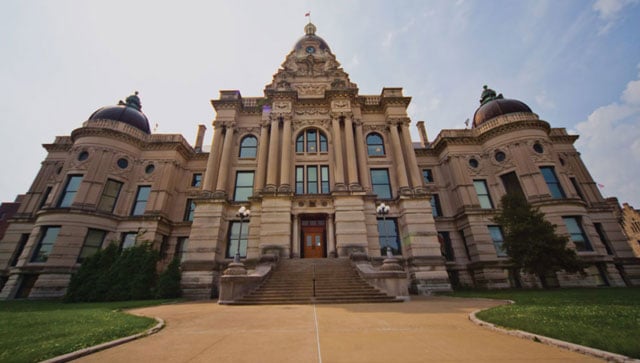
Many people believe that creating a trust eliminates the need for a will. While a trust is a powerful estate planning tool, it does not replace every function of a will. If you live in Evansville or Southern Indiana, having both documents can help ensure your estate plan works as intended and protects your loved ones.
A trust and a will serve different purposes
A revocable living trust allows you to transfer certain assets into the trust during your lifetime. Those assets can often pass to your beneficiaries without going through probate, which may save time and simplify the administration process.
Yet, a trust only controls the assets you place into it. If you leave property outside the trust, your trust agreement generally does not determine what happens to those assets after your death.
Why you may still need a will
Even if you have a fully funded trust, a will can provide important protections. Many estate plans include a “pour-over will,” which directs assets that remain outside the trust into the trust after death.
A will can also:
- Name a guardian for your minor children
- Determine what happens to property you never transferred into the trust.
- Help ensure your estate plan reflects your overall wishes
- Reduce uncertainty for your family during the estate administration process
Without a will, assets left outside your trust may pass according to Indiana’s intestacy laws instead of your personal wishes.
Keep your estate plan up to date
Creating a trust is only one step in the estate planning process. Life events such as marriage, divorce, the birth of a child, retirement, or acquiring new property may require updates to your trust, will, or both.
Regularly reviewing your estate plan helps ensure your documents continue to reflect your goals and account for changes in your family or financial circumstances.
An estate plan works best when the documents work together
A trust and a will are not competing documents. Instead, they often complement one another by addressing different aspects of your estate plan. Together, they can help protect your assets, provide clear instructions for your loved ones, and reduce the risk of unnecessary legal complications.
If you already have a trust or are considering creating one, an experienced estate planning attorney serving Evansville and Southern Indiana can review your existing documents, identify potential gaps, and recommend whether a will should become part of your overall estate plan.